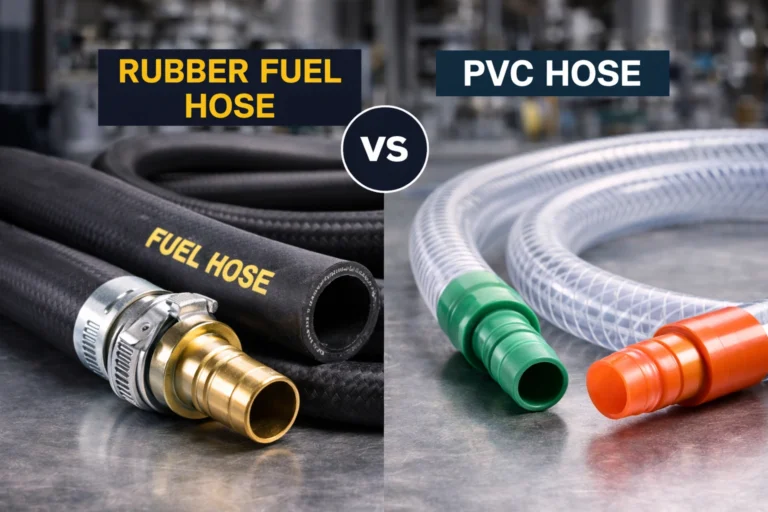
Rubber Fuel Hose vs PVC Hose – Which Is Better for Your Application?
Choosing the right hose material is essential for ensuring safe and efficient fluid transfer in industrial and automotive systems. Two of the most commonly used hose types are rubber fuel hoses and PVC hoses. Each type offers specific advantages depending on the application, working conditions, and type of fluid being transported.
Understanding the differences between rubber and PVC hoses helps businesses select the most suitable solution for fuel transfer, liquid handling, and industrial operations.
What Is a Rubber Fuel Hose?
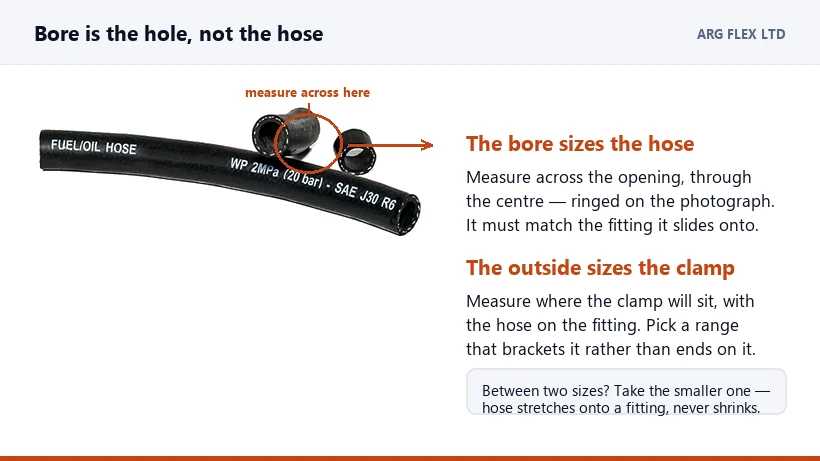
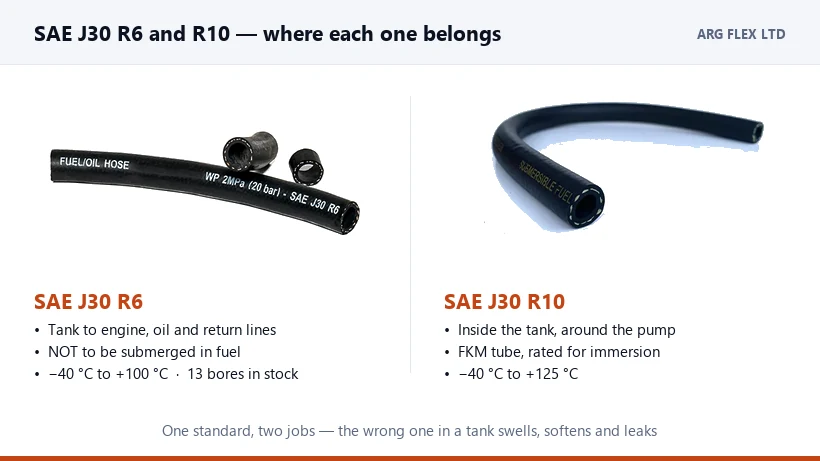
A rubber fuel hose is designed for transporting fuel, oil, and petroleum-based products. These hoses are made from oil-resistant rubber compounds and reinforced to handle pressure and harsh environments.
Rubber fuel hoses are commonly used in:
- Automotive fuel systems
- Industrial fuel transfer
- Oil and lubrication systems
- Heavy machinery
They are known for durability, flexibility, and resistance to fuel exposure.
What Is a PVC Hose?
A PVC hose is a lightweight and flexible hose made from polyvinyl chloride. It is commonly used for water, air, and light chemical transfer.
PVC hoses are widely used in:
- Water supply systems
- Irrigation
- Air ventilation systems
- Light industrial applications
They are valued for their affordability and resistance to corrosion.
Key Differences Between Rubber and PVC Hoses
Material and Durability
Rubber hoses are more durable and resistant to harsh environments, while PVC hoses are lighter but less resistant to extreme conditions.
Fuel and Oil Resistance
Rubber fuel hoses are specifically designed to handle gasoline, diesel, and oils. PVC hoses are not suitable for fuel applications.
Flexibility
Rubber hoses remain flexible under pressure and temperature changes. PVC hoses can become stiff in low temperatures.
Pressure Resistance
Rubber hoses typically handle higher pressure levels, making them suitable for demanding industrial systems.
Cost
PVC hoses are generally more affordable, while rubber hoses are more expensive due to their durability and performance.
When to Use a Rubber Fuel Hose
Rubber fuel hoses are the best choice for applications involving:
- Fuel transfer
- Oil systems
- High-pressure environments
- Automotive and industrial machinery
They provide safety, durability, and long-term reliability.
When to Use a PVC Hose
PVC hoses are suitable for:
- Water transfer
- Air systems
- Light-duty industrial applications
- Irrigation systems
They are a cost-effective solution for non-fuel applications.
Choosing the Right Hose for Your Needs
Selecting between rubber and PVC hoses depends on the specific requirements of your system.
Important factors include:
- Type of fluid being transported
- Pressure requirements
- Temperature conditions
- Flexibility needs
- Budget
For fuel and oil applications, rubber fuel hoses are the safest and most reliable choice. For water and light industrial use, PVC hoses offer a practical and economical solution.
Conclusion
Both rubber fuel hoses and PVC hoses serve important roles in industrial and automotive systems. However, they are designed for different applications and should not be used interchangeably.
Choosing the correct hose ensures system efficiency, safety, and long-term performance. Understanding the differences between hose materials helps prevent failures and improves operational reliability.