Industrial Hose Types and Applications – Complete Guide
Industrial hoses are essential components used in a wide range of industries for transporting liquids, gases, and abrasive materials. These hoses are designed to withstand pressure, temperature variations, and harsh working environments while ensuring safe and efficient fluid transfer.
From fuel delivery systems to chemical processing and water transfer, industrial hoses play a critical role in maintaining operational efficiency. Choosing the correct hose type is essential for ensuring performance, safety, and long service life.
What Is an Industrial Hose?
An industrial hose is a flexible tube designed to transport fluids such as liquids, gases, or solids in industrial environments. These hoses are constructed using various materials depending on the application, including rubber, PVC, silicone, and composite materials.
Industrial hoses are widely used in:
- Manufacturing industries
- Automotive systems
- Oil and gas operations
- Agriculture
- Construction
- Chemical processing
Their versatility makes them essential for modern industrial systems.
Types of Industrial Hoses
There are several types of industrial hoses, each designed for specific applications and operating conditions.
Fuel Hoses
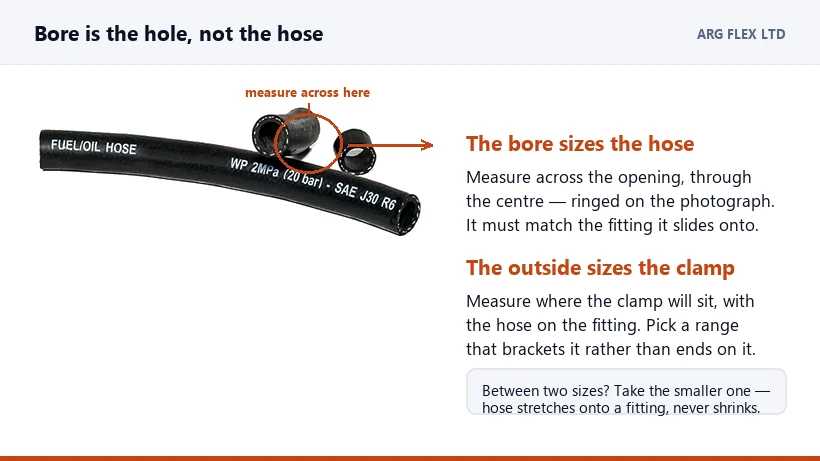
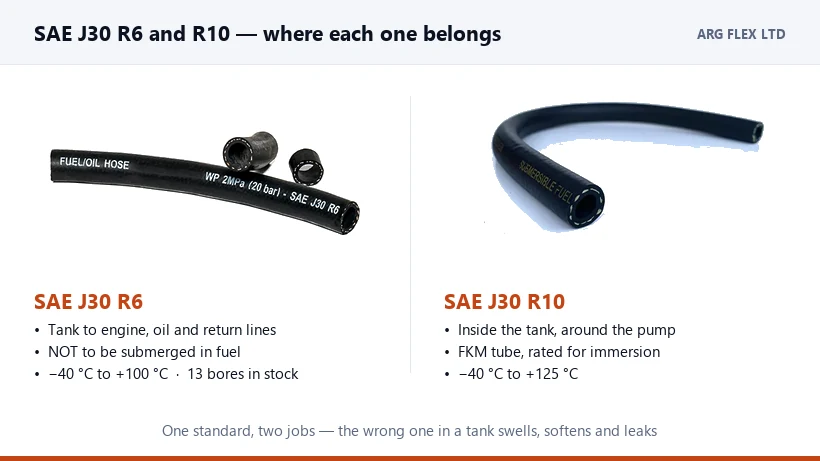
Fuel hoses are used for transporting gasoline, diesel, and other petroleum-based products. These hoses are oil-resistant and designed to meet standards such as SAE J30 and DIN 73379.
Oil Resistant Hoses
Oil resistant hoses are designed to handle lubricants, oils, and fuel systems. They provide excellent resistance to petroleum products and are widely used in automotive and industrial applications.
PVC Hoses
PVC hoses are lightweight and flexible, commonly used for water transfer, air systems, and light industrial applications. They are resistant to corrosion and easy to handle.
Gas Hoses
Gas hoses are used for transporting gases such as oxygen, acetylene, propane, and butane. These hoses are commonly used in welding and industrial gas systems.
Sandblast Hoses
Sandblast hoses are designed for handling abrasive materials such as sand, grit, and particles. They are built with reinforced layers for durability.
Silicone Hoses
Silicone hoses are used in high-temperature applications and are commonly found in automotive and industrial systems requiring thermal resistance.
Applications of Industrial Hoses
Industrial hoses are used across many industries and applications.
Common uses include:
- Fuel and oil transfer
- Water supply and irrigation
- Gas delivery systems
- Chemical transport
- Abrasive material handling
- Ventilation systems
Each application requires a specific hose type designed to handle the working conditions.
Key Factors When Choosing an Industrial Hose
Selecting the right industrial hose is critical for ensuring safety and performance.
Important factors include:
- Type of fluid or material
- Working pressure
- Temperature conditions
- Chemical compatibility
- Hose flexibility
- Environmental conditions
Choosing the correct hose helps prevent system failures and improves operational efficiency.
Benefits of Using High-Quality Industrial Hoses
High-quality industrial hoses provide several important advantages:
- Reliable performance
- Increased safety
- Long service life
- Resistance to harsh conditions
- Reduced maintenance costs
These benefits make industrial hoses essential components in modern industries.
Choosing the Right Industrial Hose
Choosing the right industrial hose depends on the specific requirements of your application. Different industries require hoses with unique properties such as fuel resistance, flexibility, or temperature durability.
It is important to select hoses that meet industry standards and are designed for the intended use. Using the correct hose improves efficiency, reduces downtime, and ensures safe operation.
By understanding the different types of industrial hoses and their applications, businesses can make informed decisions and select the best solution for their needs.