
Blog
Oil Resistant Hose SAE J30 for Fuel and Oil Applications
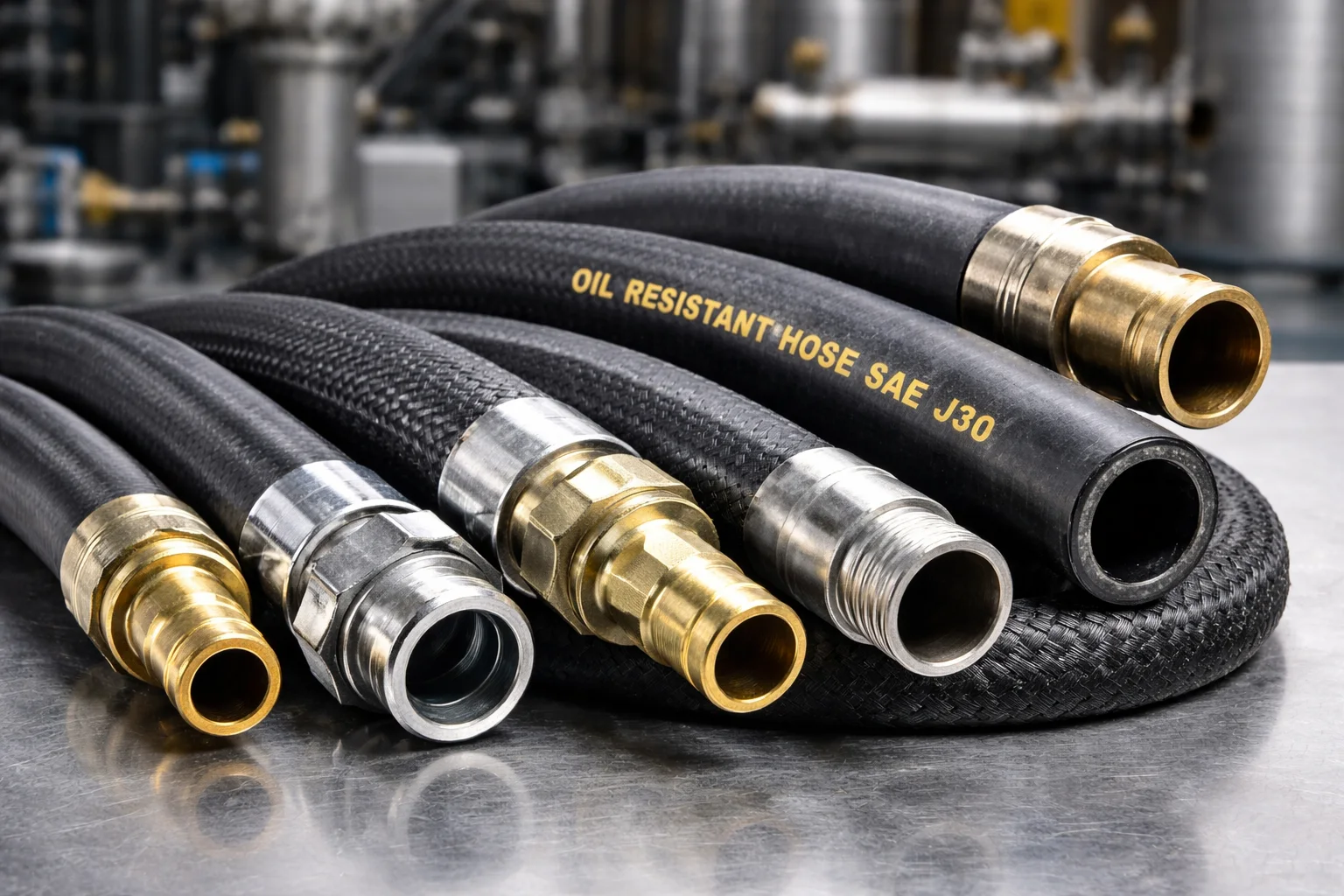
Oil resistant hoses are essential components in automotive and industrial systems where fuel, oil, and petroleum-based fluids must be transported safely. These hoses are designed to withstand contact with oils, fuels, and lubricants while maintaining flexibility and durability.
The SAE J30 standard defines the performance requirements for fuel and oil hoses used in automotive fuel systems. Oil resistant hoses manufactured according to this standard provide reliable performance, excellent fuel resistance, and long service life.
Industrial equipment, vehicles, and fuel systems rely on high-quality oil resistant hoses to ensure safe fluid transfer and prevent leaks.
What Is an Oil Resistant Hose?
An oil resistant hose is a specially designed rubber hose that can safely transport petroleum-based products such as engine oil, diesel fuel, gasoline, and lubricants.
These hoses are manufactured using oil-resistant rubber compounds and reinforced layers that allow them to operate under pressure without degradation.
Oil resistant hoses are commonly used in fuel delivery systems, lubrication systems, and industrial fluid transfer applications.
SAE J30 Standard Explained
The SAE J30 standard is one of the most widely used specifications for automotive fuel hoses. It defines several hose types designed for different pressure levels and fuel exposure conditions.
Common SAE J30 hose types include:
SAE J30 R6
This type is used for low-pressure fuel lines and carburetor systems. It is commonly found in older vehicles and small engines.
SAE J30 R7
R7 hoses offer improved fuel resistance and are designed for modern fuel systems with higher performance requirements.
SAE J30 R9
These hoses provide superior resistance to modern fuels that contain ethanol and other additives.
SAE J30 R10
R10 hoses are designed for submersible fuel pump applications where the hose is constantly exposed to fuel inside the tank.
Each type provides different levels of pressure resistance and fuel compatibility.
Applications of Oil Resistant Hoses
Oil resistant hoses are widely used in both automotive and industrial environments.
Common applications include:
- Automotive fuel systems
- Engine oil circulation systems
- Fuel transfer equipment
- Industrial machinery lubrication systems
- Agricultural equipment
- Marine engines
Their durability and resistance to petroleum products make them ideal for demanding environments.
Key Features of Oil Resistant Hoses
High-quality oil resistant hoses offer several important advantages for industrial and automotive applications.
Excellent Oil Resistance
The rubber compounds used in these hoses are specifically designed to resist oil, gasoline, diesel, and lubricants.
Pressure Durability
Reinforced construction allows the hose to withstand working pressure and maintain structural integrity.
Flexibility
Flexible hose construction allows easy installation in tight engine compartments and industrial systems.
Temperature Stability
Oil resistant hoses maintain performance across a wide temperature range.
Long Service Life
High-quality materials ensure long-lasting performance even in harsh operating conditions.
Choosing the Right Oil Resistant Hose
Selecting the correct oil resistant hose depends on the type of fuel or oil being transported and the operating conditions of the system.
Important factors include:
- Fuel or oil compatibility
- Maximum working pressure
- Temperature range
- Hose diameter
- Compliance with SAE J30 standards
Choosing the correct hose ensures safe and efficient fluid transfer while reducing maintenance and downtime.
Benefits of Using High-Quality Oil Resistant Hoses
Using properly designed oil resistant hoses provides several important benefits:
- Safe transportation of fuel and oil
- Reduced risk of leaks and system failures
- Improved durability in harsh environments
- Reliable long-term performance
- Increased operational safety
High-quality oil resistant hoses are essential components for maintaining efficient and reliable fuel and lubrication systems.